
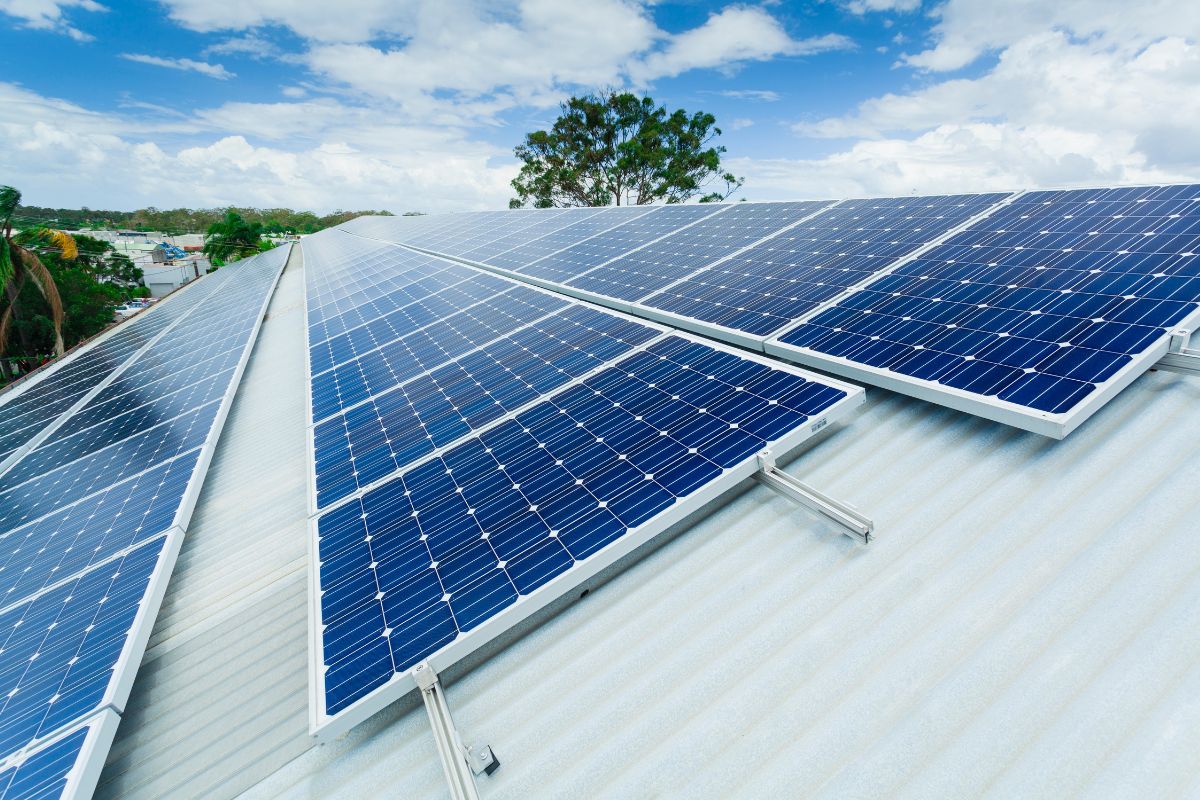
Solar Installation for Schools in Kenya: Cost, Benefits & Government Support Explained
Across Kenya, educational institutions—especially those in remote or underserved areas—face a persistent challenge: access to reliable and affordable electricity. Frequent power outages, rising energy costs, and poor grid connectivity hinder learning, especially in boarding schools or ICT-driven curriculums. In response, solar energy has emerged as a transformative solution.
Solar installation for schools in Kenya is more than an environmental decision—it’s a strategic investment in educational access, energy independence, and long-term cost savings. As the government intensifies support through incentives and public-private partnerships, schools are increasingly turning to solar as a sustainable power alternative.
This guide explores the real cost of solar installation for schools in Kenya, highlights key benefits, and breaks down available government support and donor-led initiatives.
1. Understanding the Power Crisis in Kenya’s Education Sector
The Grid Limitation
Many rural schools lack stable access to the national grid. Those connected often deal with frequent blackouts, load shedding, or voltage instability—making it difficult to use digital learning tools, lighting, and lab equipment consistently.
Energy Costs Are Rising
Electricity tariffs have increased in recent years, placing a significant financial burden on schools—especially those relying on electric water pumps, security systems, or boarding facilities.
2. The Role of Solar Energy in Addressing Education Challenges
Off-Grid and Grid-Tied Solar Solutions
-
Off-grid systems provide complete energy independence for remote schools.
-
Grid-tied systems with battery backup ensure stable power while reducing grid dependence and operational costs.
Use Cases in Schools
-
Lighting classrooms, dormitories, and outdoor areas
-
Running computer labs and digital whiteboards
-
Powering water pumps and boreholes
-
Enabling cold storage for medical or food supplies
Improving Learning Outcomes
Consistent lighting and digital access enable longer study hours, e-learning integration, and improved teacher preparation—factors directly influencing academic performance.
3. How Much Does It Cost to Install Solar in a School in Kenya?
Cost Range (2025 Estimates)
The total cost of solar installation for schools in Kenya depends on energy needs, system size, battery capacity, and design complexity. As of 2025, typical cost ranges are:
| School Size | Recommended Solar Size | Estimated Cost (KES) | Notes |
|---|---|---|---|
| Small (Primary, Day School) | 3–5kW | 300,000–500,000 | Lighting + few computers |
| Medium (Boarding/ICT Labs) | 6–10kW | 600,000–1,000,000 | Lighting + labs + water pumps |
| Large (Secondary/Technical) | 15–20kW | 1.5M–2.5M+ | Full coverage including admin blocks |
These estimates include solar panels, inverters, lithium batteries, mounting structures, cabling, and installation labor.
Payback Period
With average monthly power savings of KES 10,000–50,000, most solar systems for schools pay for themselves in 3–5 years—after which savings continue for over a decade.
4. Key Benefits of Solar Installation for Schools
1. Financial Savings
-
Reduces monthly utility costs
-
Cuts diesel generator usage (and fuel costs)
-
Protects schools from rising electricity tariffs
2. Educational Empowerment
-
Enables use of laptops, projectors, and science equipment
-
Supports integration of CBC digital curriculum
-
Enhances evening study hours for boarding students
3. Health & Safety
-
Eliminates kerosene lanterns or fire hazards
-
Powers clean water systems
-
Enhances campus security with reliable lighting
4. Environmental Stewardship
-
Teaches students about sustainability
-
Reduces the school’s carbon footprint
-
Supports Kenya’s renewable energy goals
5. Government & Donor Support for School Solar Projects
Government of Kenya Initiatives
The Kenyan government, through the Ministry of Education and the Ministry of Energy, has introduced solar infrastructure projects to support learning:
-
Rural Electrification and Renewable Energy Corporation (REREC): Implements solar power in off-grid schools through public funding.
-
Last Mile Connectivity Program (LMCP): Expands access to grid and hybrid energy solutions in underserved schools.
-
Digital Literacy Programme (DLP): Provides tablets and digital tools—often bundled with solar kits in areas without power.
Public-Private Partnerships (PPPs)
Schools can benefit from partnerships involving:
-
NGOs (e.g., World Bank’s Kenya Off-Grid Solar Access Project)
-
County governments and development agencies
-
Private solar installers offering financing or lease-to-own models
Donor-Funded Solar Grants
International organizations and faith-based groups continue to fund solar initiatives in primary and secondary schools. These include:
-
GIZ (German Cooperation)
-
USAID
-
Safaricom Foundation
-
World Vision
-
UNDP Kenya
6. Best Solar Installation Companies for Schools in Kenya
When selecting a solar partner, schools should consider technical expertise, after-sales support, and alignment with government standards.
One such recommended provider is Solar Impact Co. Ltd. With deep experience in deploying institutional solar projects across Kenya, Solar Impact offers:
-
Free site assessments for schools
-
Custom system designs
-
Warranty-backed components
-
Battery backup options
-
Ongoing maintenance and performance monitoring
Solar Impact also offers flexible financing arrangements, ensuring even low-income schools can access solar power solutions without large upfront payments.
7. Financing Models for School Solar Projects
1. Direct Purchase
Ideal for well-funded schools or those with donor support. Upfront investment yields highest long-term savings.
2. Lease or Power Purchase Agreement (PPA)
Schools lease the system or pay only for the electricity used. The installer owns and maintains the system, which reduces operational complexity.
3. Donor or Community-Funded
Local fundraising or NGO collaboration can offset part or all of the system cost. This approach is common among mission schools and community-based institutions.
8. Factors to Consider Before Installing Solar in Your School
| Factor | Why It Matters |
|---|---|
| Energy audit | Identifies current and projected energy needs |
| Battery storage | Ensures power availability during cloudy days or at night |
| Maintenance support | Affects system lifespan and reliability |
| Roof strength and space | Determines system mounting and exposure |
| Warranties | Protects your investment long-term |
Schools should also consider expanding systems in phases based on available funds.
9. Case Study: Successful Solar Installations in Kenyan Schools
Case: Rural Secondary School in Kitui
-
Challenge: No grid access, reliance on diesel generator
-
Solution: 8kW solar + 15kWh lithium battery system
-
Outcome: 24/7 power, saved over KES 35,000/month on fuel, improved student performance, enabled digital learning tools
Case: Urban Private Academy in Kiambu
-
Challenge: High power bills, unreliable grid
-
Solution: 12kW grid-tied system with net metering
-
Outcome: 50% reduction in power bills, allowed night studies, supported CBC compliance
10. Future Outlook: Solar & the Education Sector in Kenya
With the push for digital learning, CBC implementation, and climate resilience, solar energy is no longer optional for schools—it’s strategic. By 2030, the Kenyan government plans to integrate sustainable energy into every public institution. This presents a unique opportunity for schools to:
-
Lower operational costs
-
Enhance education delivery
-
Align with national green goals
Investing in solar is not just a power solution—it’s a commitment to education, innovation, and the future of Kenya.
Make the Smart Shift to Solar Today
The benefits of solar installation for schools in Kenya are substantial: lower costs, better learning conditions, improved reliability, and a cleaner environment. Whether you’re a headteacher, school board member, or donor looking to make an impact, solar energy offers unmatched ROI—financially and socially.
To learn more about customized solar solutions for schools, visit Solar Impact Kenya and request a free consultation. Empower your school with clean, reliable energy and transform the future of education.

