
How Solar Installation Works in Kenya: A Step-by-Step Guide for Homes and Businesses
As Kenya continues to embrace sustainable energy solutions, solar power installation has become an increasingly accessible and reliable alternative to the national grid. Whether for residential, commercial, or institutional use, understanding how solar installation works in Kenya is critical for making informed decisions, reducing energy costs, and achieving energy independence.
This guide explores the full solar installation process in Kenya—from site assessment to after-sales maintenance—while addressing the legal framework, cost factors, and how to select a reputable solar service provider. For those considering a transition to solar, this article provides clarity and actionable insights to help you invest wisely.
Why Solar Energy Matters in Kenya Today
Kenya is one of Africa’s fastest-growing solar markets, thanks to:
-
Abundant solar irradiance: Most regions receive over 5 peak sun hours per day.
-
Unreliable power supply: Frequent blackouts and high tariffs from Kenya Power.
-
Cost savings: Drastically reduced monthly electricity bills.
-
Government incentives: VAT exemptions and zero-rated import duty on solar products.
-
Sustainability goals: National commitment to clean, renewable energy under Kenya Vision 2030.
Whether you’re a homeowner in Nairobi, a school in rural Kenya, or a commercial property owner in Mombasa, switching to solar is no longer a luxury—it’s a strategic necessity.
Step-by-Step Process: How Solar Installation Works in Kenya
1. Initial Consultation and Energy Assessment
The process begins with a professional energy audit. The solar company evaluates your current electricity usage (usually in kilowatt-hours) and identifies opportunities for solar integration.
Key activities:
-
Review of utility bills for the last 6–12 months.
-
Site inspection to assess roof orientation, shading, and structural integrity.
-
Determining load requirements (critical appliances, peak load, backup needs).
For a detailed consultation tailored to your location and energy goals, it’s advisable to partner with Kenya-based local solar solutions provider.
2. System Design and Proposal
After data collection, the engineering team designs a custom solar solution using specialized software tools. The design considers:
-
System size (in kW)
-
Panel orientation and tilt
-
Inverter capacity
-
Battery backup (for off-grid or hybrid systems)
The proposal you receive should include:
-
System overview and expected output
-
Components list (solar panels, inverter, batteries, mounting system)
-
Installation timeline
-
ROI projection and payback period
3. Quotation, Agreement & Permits
Once you approve the proposal:
-
A formal quotation and installation contract are shared.
-
For grid-tied systems, your provider applies for a net metering license with the Energy and Petroleum Regulatory Authority (EPRA).
-
In some counties, building approvals may also be required.
Professional companies in Kenya help manage all regulatory requirements to ensure your system is legally compliant and eligible for future grid integration.
4. Procurement of Equipment
Reliable solar companies in Kenya source Tier 1 solar panels, high-efficiency inverters, and lithium or gel batteries from certified manufacturers. This phase ensures all components meet Kenyan and international standards (e.g., IEC certification).
For example, installers affiliated with top-rated solar engineering firms prioritize both quality and warranty-backed systems to reduce long-term maintenance risks.
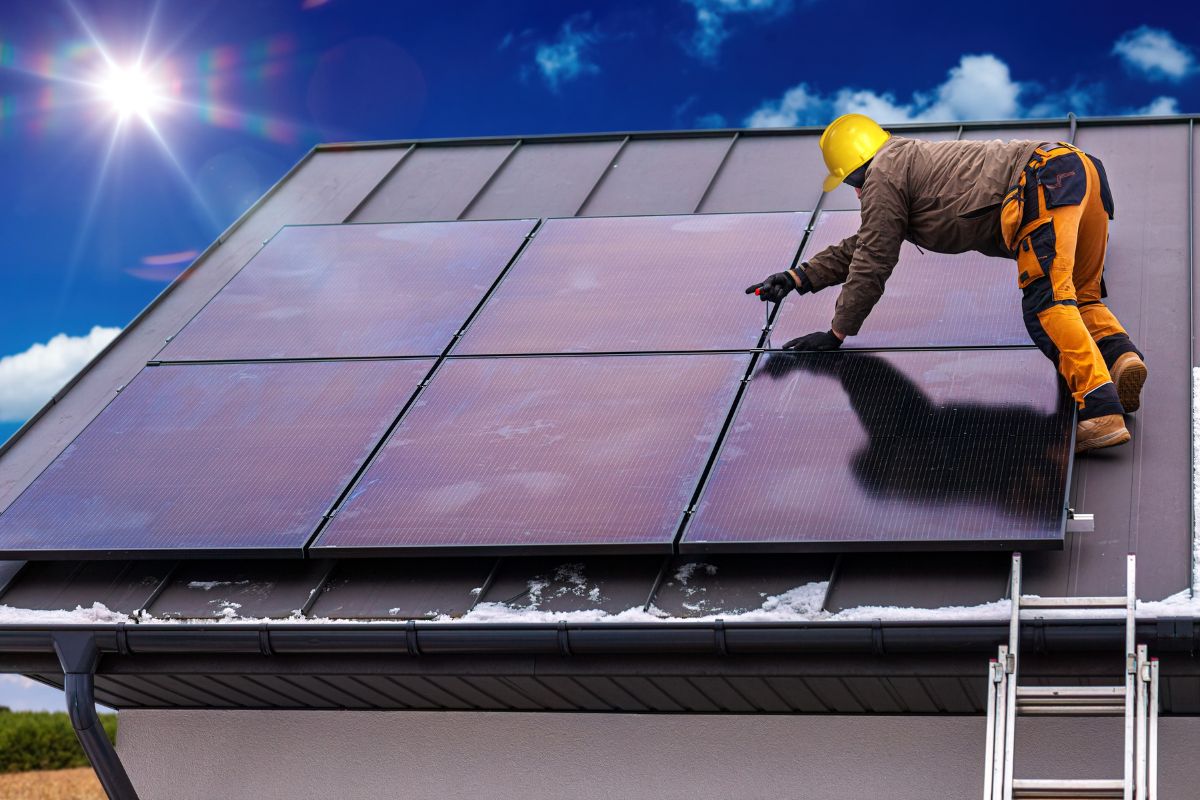
5. Installation and Configuration
Installation typically takes 1 to 3 days depending on system size. Certified technicians perform:
-
Roof mounting of panels
-
Electrical wiring and conduit layout
-
Inverter and battery installation
-
Grid or generator integration (if needed)
-
System testing and optimization
Safety and professionalism are crucial here—only work with companies that employ licensed technicians and follow KEBS electrical standards.
6. Commissioning and Training
Once the system is installed:
-
The provider runs full tests to ensure voltage, load, and inverter settings are optimal.
-
You receive basic training on how to operate, monitor, and troubleshoot your system.
Some firms provide remote monitoring apps that allow users to track solar energy generation and consumption in real-time.
7. Ongoing Support & Maintenance
Solar systems are low-maintenance but not maintenance-free.
Leading providers offer:
-
Annual system inspections
-
Panel cleaning
-
Battery performance checks
-
Inverter diagnostics
If installed by experts like those at this Nairobi-based solar company, systems can last 20+ years with minimal intervention.
Types of Solar Installations Available in Kenya
-
Grid-Tied Solar Systems
-
Connected to Kenya Power grid.
-
Suitable for urban homes and offices.
-
Net metering allows users to export excess power.
-
-
Off-Grid Solar Systems
-
Fully independent, with battery storage.
-
Ideal for rural areas without grid access.
-
Powers lighting, fridges, TV, and water pumps.
-
-
Hybrid Solar Systems
-
Combines grid, solar, and battery.
-
Offers the most flexibility and backup.
-
-
Commercial and Industrial Systems
-
Large installations for factories, farms, and office buildings.
-
Require careful design, licensing, and ROI analysis.
-
Legal & Regulatory Considerations
To remain compliant with Kenyan law:
-
Only use licensed solar technicians registered by EPRA.
-
Grid-tied systems must be approved by Kenya Power for net metering.
-
Installers should follow Kenya Building Code and Electrical Wiring Standards.
Avoid shortcuts. A non-compliant system can result in penalties, voided warranties, and even electrical hazards.
Solar Installation Costs in Kenya (2025 Guide)
The cost of a solar installation in Kenya varies depending on system size, battery backup, and brand quality.
| System Type | Size (kW) | Price Range (KES) | Use Case |
|---|---|---|---|
| Home – Basic | 1.5kW | Ksh 150,000–250,000 | Lighting, TV, fridge |
| Home – Full Backup | 3–5kW | Ksh 350,000–650,000 | Full home coverage + batteries |
| Business – SME | 5–10kW | Ksh 700,000–1.2M | Shops, offices, schools |
| Industrial | 20kW+ | Ksh 2M+ | Factories, hotels, hospitals |
Prices include installation, materials, labor, and warranty. For exact figures based on your energy needs, request a detailed quote from trusted solar consultants in Kenya.
How to Choose the Right Solar Installer in Kenya
Here’s what to look for:
-
EPRA certification
-
Positive client testimonials
-
In-house engineering team
-
Warranty-backed products
-
After-sales support
-
Transparent quoting
An experienced company will not only install but optimize your system for local conditions—sunlight exposure, dust levels, power outages, etc.
Common Mistakes to Avoid When Going Solar
-
Choosing the cheapest installer without due diligence.
-
Failing to assess future energy needs (e.g., electric vehicles, expansion).
-
Skipping battery storage in areas with frequent blackouts.
-
Not cleaning panels, leading to efficiency loss.
-
Ignoring regulatory requirements and risking disconnection.
Final Thoughts: Is Solar Right for You?
If you’re tired of unreliable electricity, monthly bills that keep rising, and limited energy options, now is the time to act. With Kenya’s growing infrastructure and reliable solar installation partners like this firm, going solar is more accessible than ever.
Whether you’re seeking energy independence for your home, operational cost savings for your business, or sustainability for your institution—solar isn’t just a solution. It’s a long-term investment in control, savings, and cleaner living.
Ready to Switch to Solar in Kenya?
Explore customized solar installation packages, expert advice, and full project support by visiting Solar Impact Kenya—your trusted partner for reliable solar energy solutions.

